
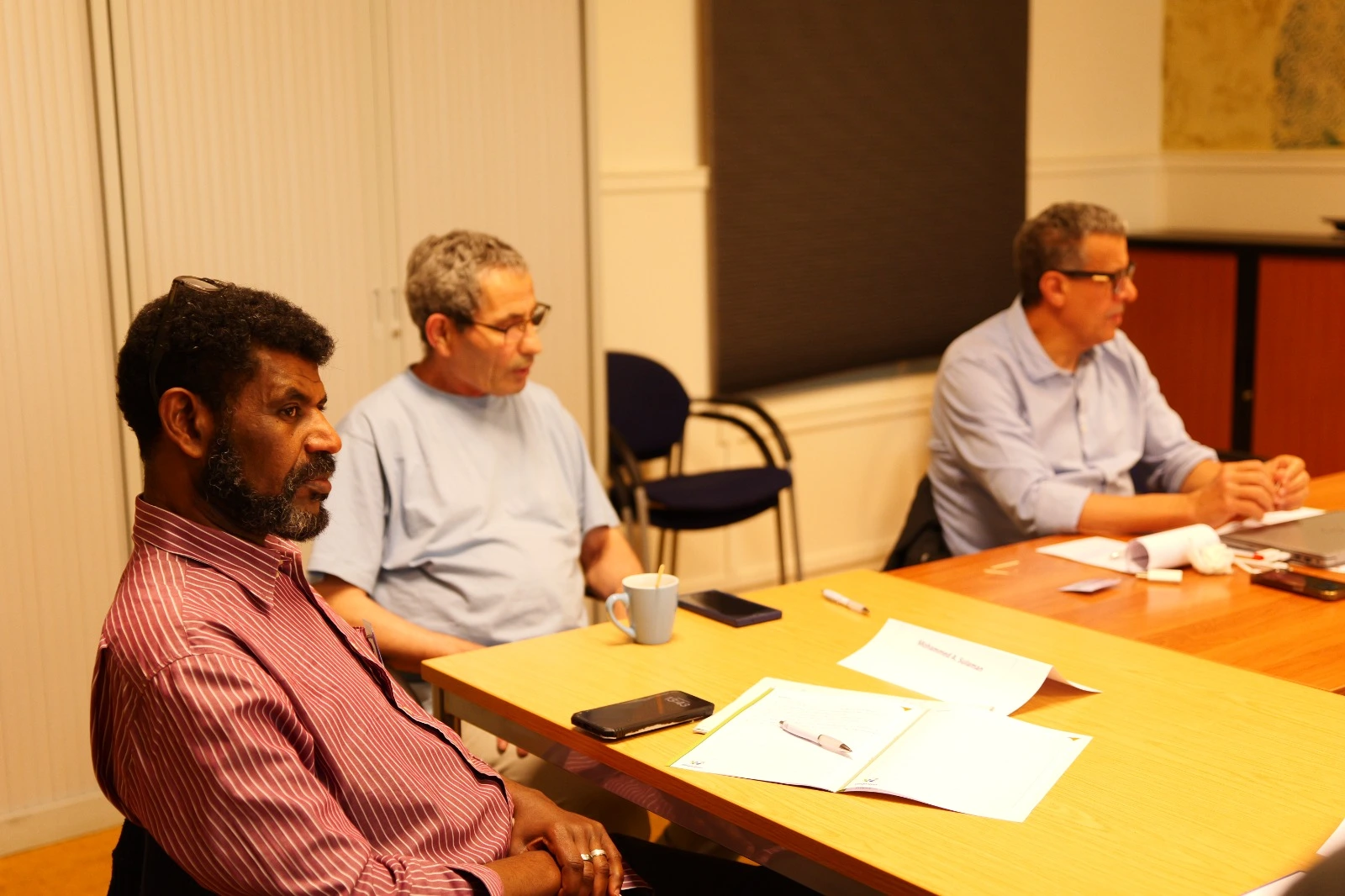
On June 6, 2026, the SONECA Foundation, in collaboration with FSAN, organized a training day for ambassadors as part of the Wayfinder project. The goal of this meeting was to strengthen the knowledge, skills, and role of ambassadors who support residents with financial problems and debts within their own community. The SONECA Foundation is one of the organizations responsible on behalf of FSAN for the organization and execution of these training days for ambassadors.
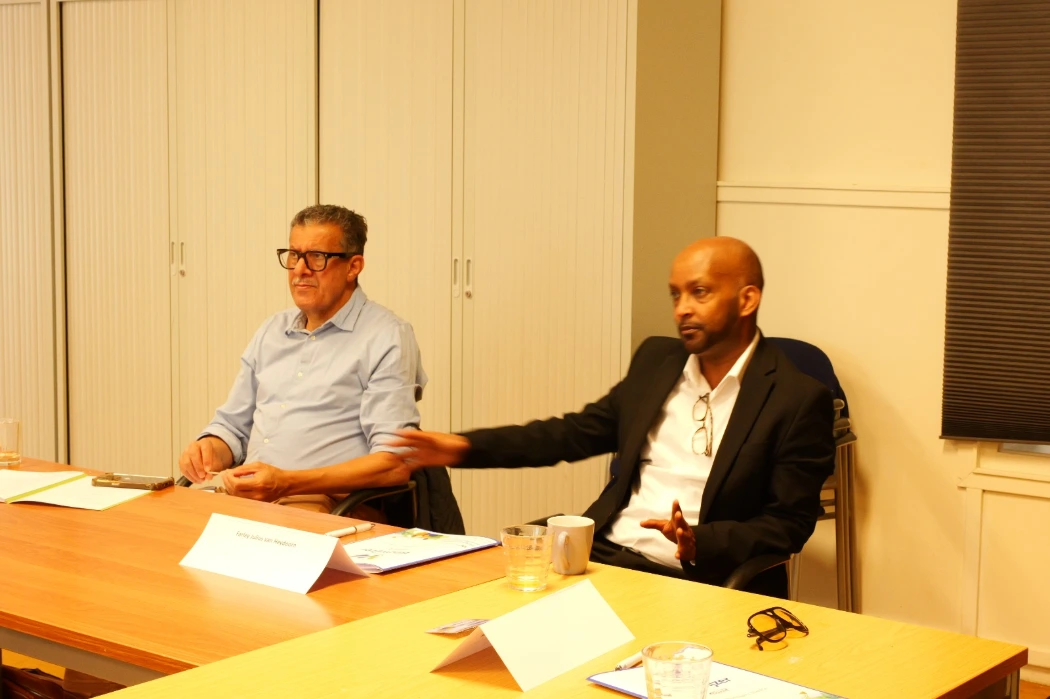
Nine ambassadors with diverse backgrounds participated in the training, coming from countries including Somalia, Syria, Yemen, Sudan, and Egypt. The participants are active within their communities and regularly hold open office hours, support residents with practical questions, and help people find their way to appropriate assistance. From the beginning, it was clear that there was an engaged, motivated, and socially active group that wants to commit to their own constituents....
Opening by Ahmed Abdulwahab
The training day was opened by Ahmed Abdulwahab, coordinator of the SONECA Foundation. In his welcome speech, he elaborated on the importance of the training and the necessity of good support for status holders, refugees, and other vulnerable residents.
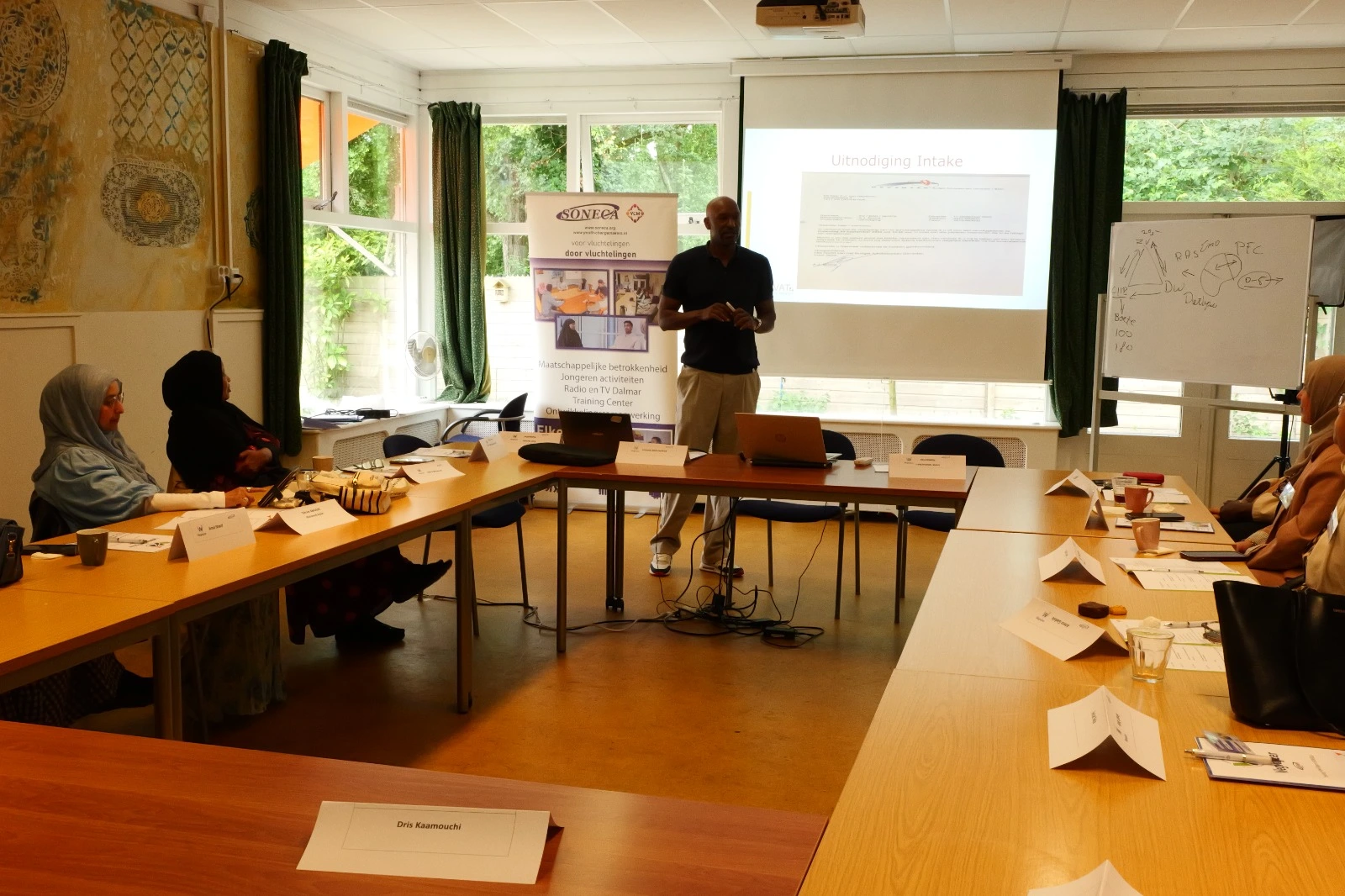
Ahmed emphasized that SONECA increasingly encounters residents during the daily open office hours who are struggling with debts, financial worries, issues with benefits, taxes, energy bills, and other complex problems. Many people do not know where to turn for help or only seek support when the problems have already become serious.
According to Ahmed, language barriers are one of the biggest challenges within the target group. Many status holders and refugees have difficulty understanding letters from municipalities, bailiffs, housing corporations, health insurers, and other agencies. Additionally, they often find it challenging to clearly explain their situation to helpers. This leads to misunderstandings, increases uncertainty, and sometimes causes people to lose trust in organizations that are meant to help them.
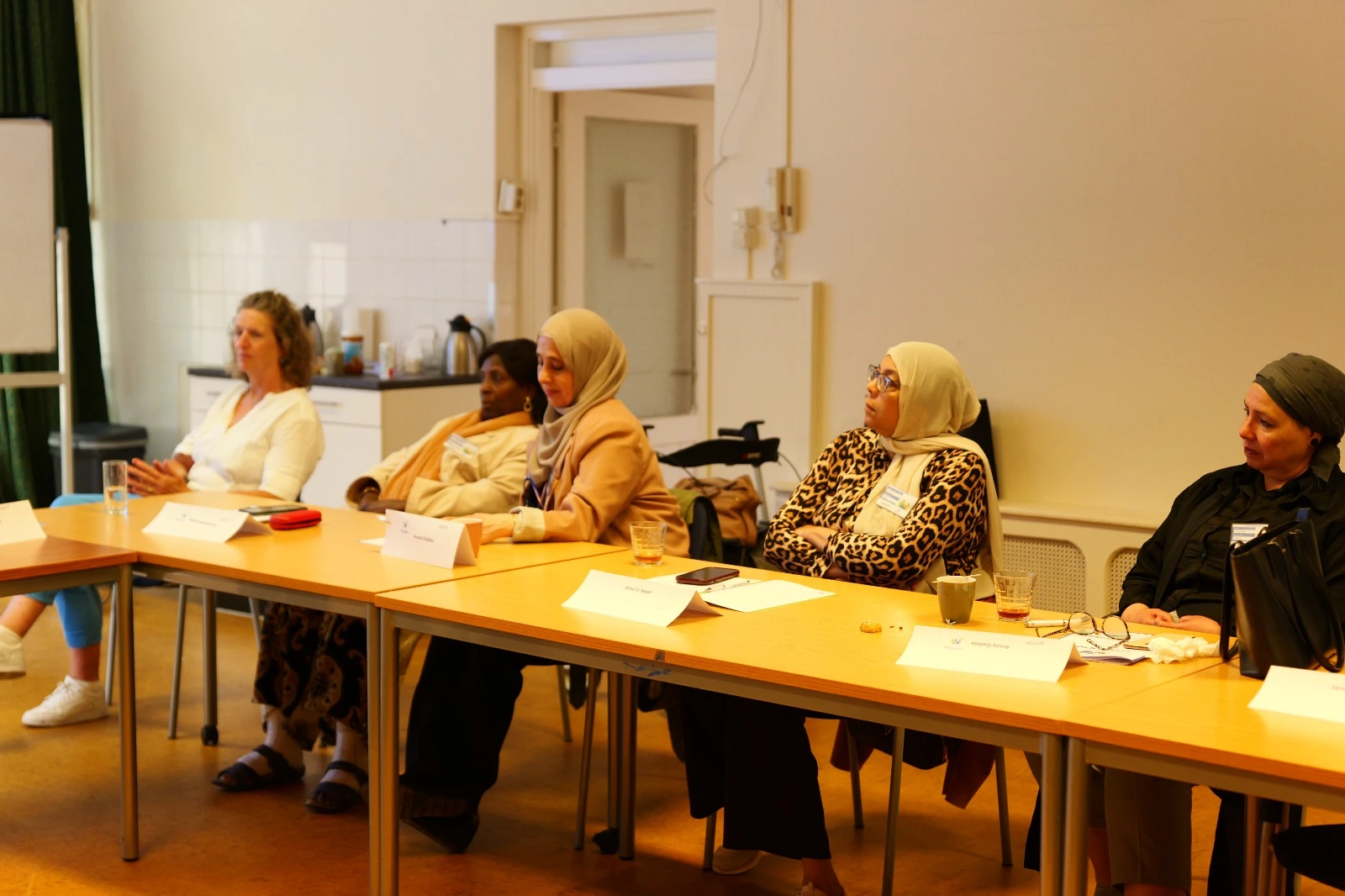
He emphasized that ambassadors play a crucial role in this. Because they speak the same language, understand the cultural background, and are close to the community, they enjoy trust. They are often the first point of contact for residents and can identify problems early before they grow into serious debts or social issues.
Presentation Alliance Voluntary Debt Assistance & Personal Story
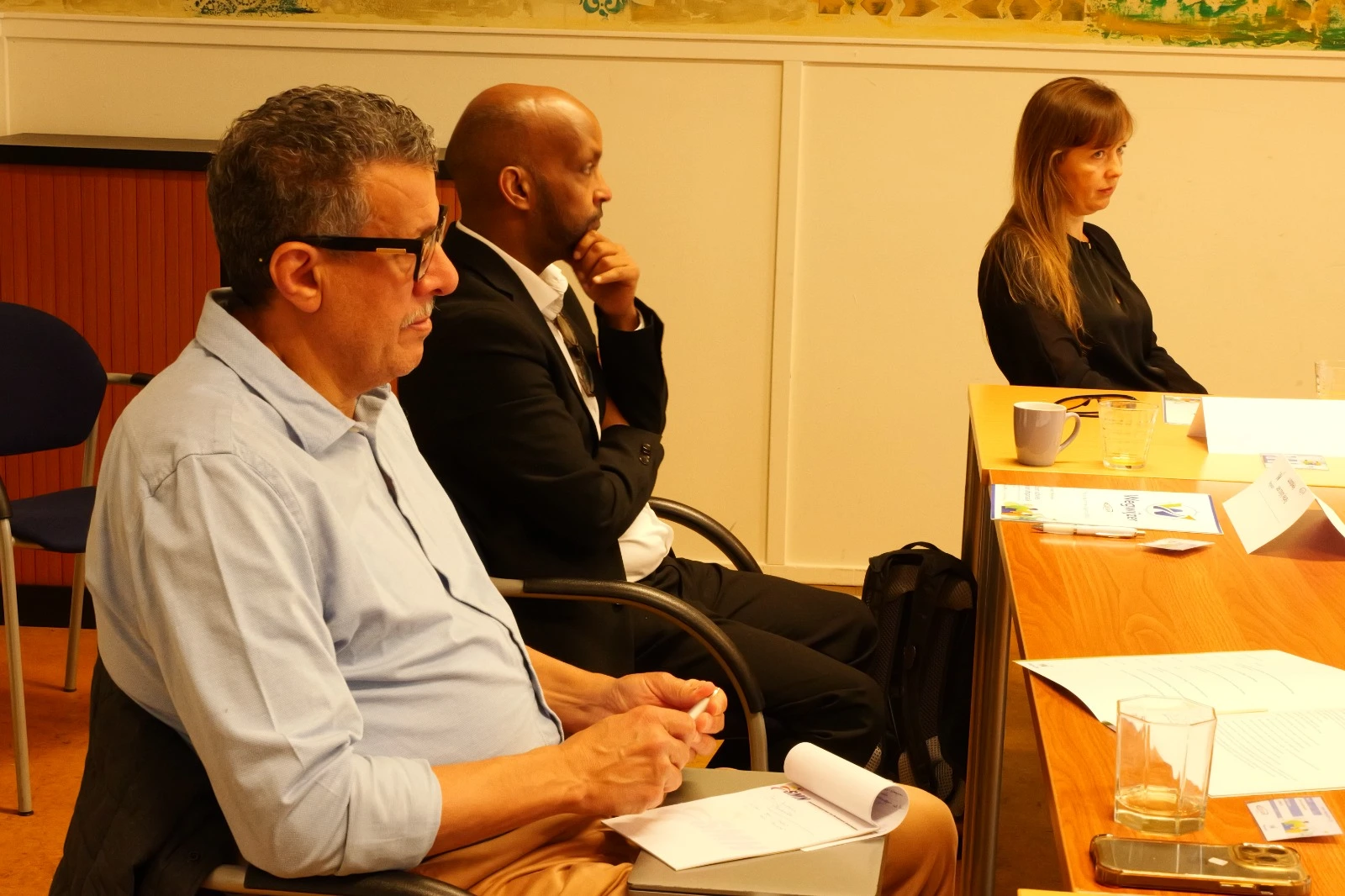
• Overspending debts.
Presentation Humanitas and Conclusion
The training day was experienced by all participants as very valuable, educational, and inspiring. The combination of expert presentations, practical experiences, interactive formats, and open discussions contributed to a successful meeting. With the knowledge and tools gained, the ambassadors can continue their important work within the community with even more confidence and expertise.